

You found the house, the offer was accepted and the excitement is real. Now comes the step that can save you tens of thousands of dollars or reveal why the price was too good to be true: the home inspection. Skipping it, or treating it as a formality, is one of the costliest mistakes a buyer can make.
This guide explains what a home inspection is, what inspectors check, how much it costs, which problems are real red flags and how to use the report to negotiate. You will also get a checklist, a timeline and answers to the questions buyers ask most.
A home inspection will not make a house perfect. It will show you what you are really buying, so that you can decide with your eyes open.
Table of Contents
What Is a Home Inspection?
A home inspection is a non-invasive, visual examination of a property’s condition, performed by a trained professional, usually after you and the seller agree on a price. The inspector walks through the house, tests major systems and delivers a written report with photos that describes defects, safety concerns and maintenance needs.
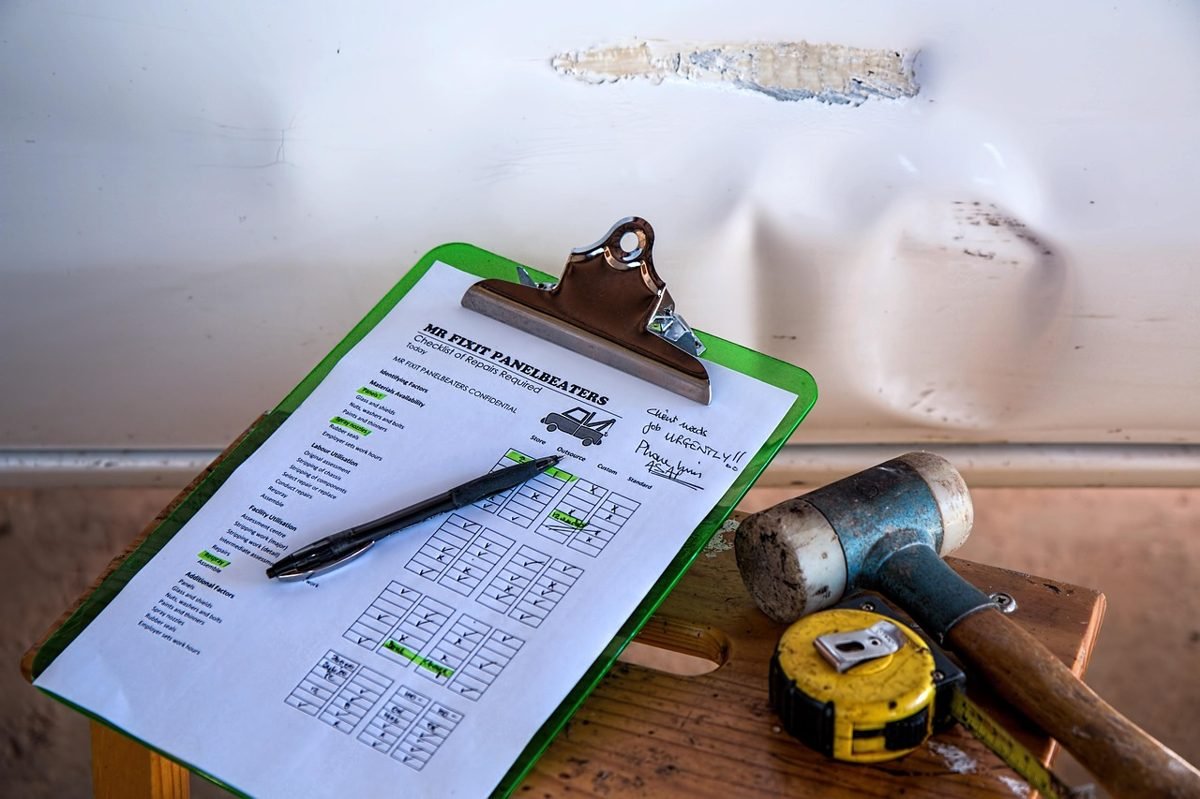
The inspection is not a pass-or-fail exam. A house does not “fail.” The report is a snapshot of condition on the day of the visit, and it gives you facts to decide whether to proceed, renegotiate or walk away.
Who pays and who hires the inspector
In most transactions the buyer hires and pays for the home inspection. Choose your own inspector rather than relying only on a recommendation from the seller’s side, since you want someone whose only loyalty is to you. Your buyer’s agent can give you names, but check reviews and credentials yourself.
When it happens
A home inspection usually takes place within 7 to 10 days after the contract is signed, during a period called the inspection contingency. That contingency lets you back out or renegotiate based on the findings without losing your earnest money. Missing the window can cost you that protection, so book the inspector right away.
Home inspection vs appraisal
People often confuse the two. An appraisal is ordered by your lender to confirm the house is worth the loan amount. A home inspection is ordered by you to learn the house’s condition. An appraiser protects the lender’s investment. An inspector protects yours. A house can pass an appraisal and still have a failing roof. Read our first-time home buyer guide for the full sequence.
Why You Should Never Skip a Home Inspection
In a hot market, some buyers waive the home inspection to make their offer stand out. It can win a bidding war, and it can also cost you a fortune.
The repairs are your problem after closing
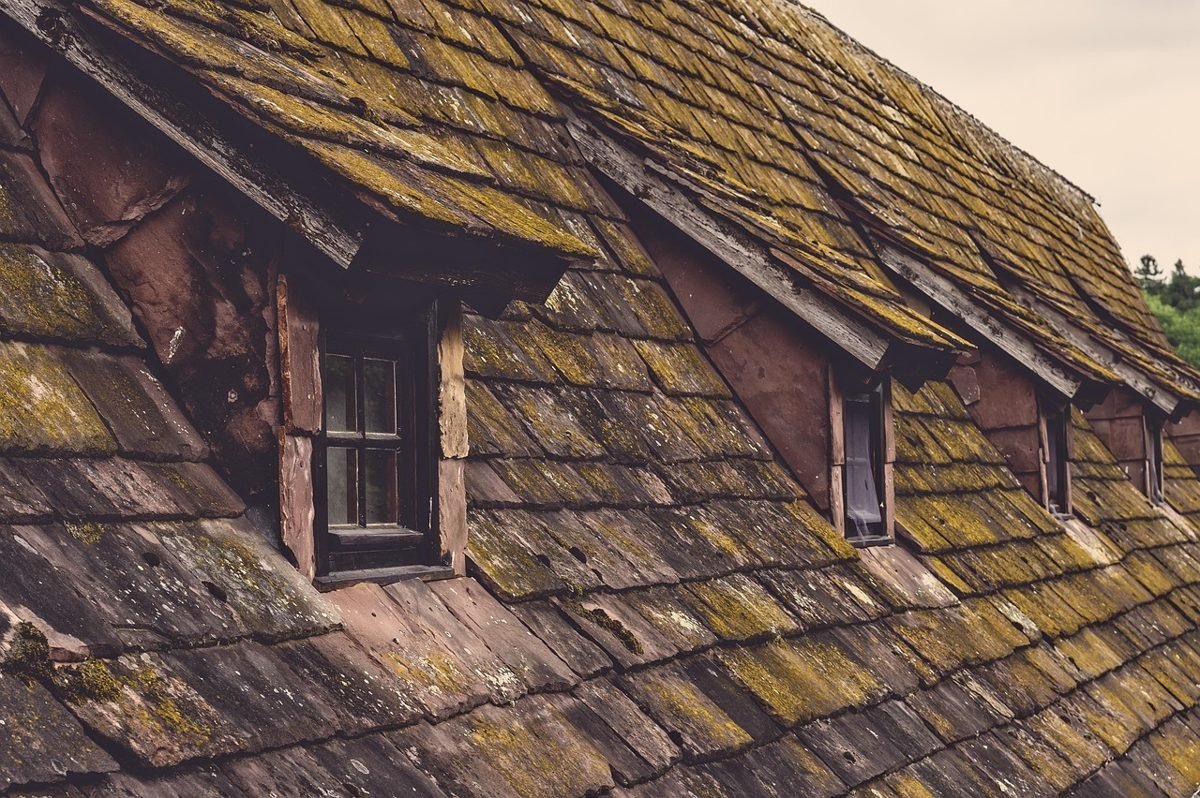
Once you close, defects belong to you. Replacing a roof can cost $10,000 or more. Fixing a foundation issue can run well into five figures. A failed sewer line can cost $5,000 to $20,000 or more. Costs vary by region and scope, but these examples show why a few hundred dollars for an inspection is cheap insurance.
It reveals safety hazards
Beyond money, a home inspection can find dangerous problems such as faulty wiring, gas leaks, carbon monoxide risks, missing handrails and signs of structural damage. Some problems are invisible to a casual walk-through.
It gives you negotiating power
A documented report turns a vague worry into a clear request. Sellers are more likely to agree to credits or repairs when you present professional evidence. We cover how to do this later in the guide.
It helps you budget
Even when nothing is deal-breaking, the report tells you what to expect: an aging water heater, a roof with five years left, a furnace near the end of its life. That helps you plan for repairs after closing. Our guide to closing costs will help you set aside cash for the move itself.
If you are tempted to waive it
If you are in a competitive market, consider options other than a full waiver, such as a shorter inspection window, an agreed cap on repairs you will request or a pre-offer inspection on a home you are serious about. Our article on making a competitive offer on a house covers safer ways to stand out.
What Does a Home Inspection Cover?
A general home inspection covers the visible and accessible parts of the home’s major systems. A typical inspection takes two to four hours, depending on the size and age of the property.
Structure and foundation
The inspector looks at the foundation, floors, walls and ceilings for cracks, settling, water stains and signs of movement. Small hairline cracks are common. Large, stair-step or widening cracks may point to a serious problem, and the inspector may recommend a structural engineer.
Roof, gutters and exterior
Roof condition, flashing, gutters, siding, windows, doors, porches and drainage around the house are all checked. Poor drainage that sends water toward the foundation is one of the most common and most expensive long-term issues.
Electrical system
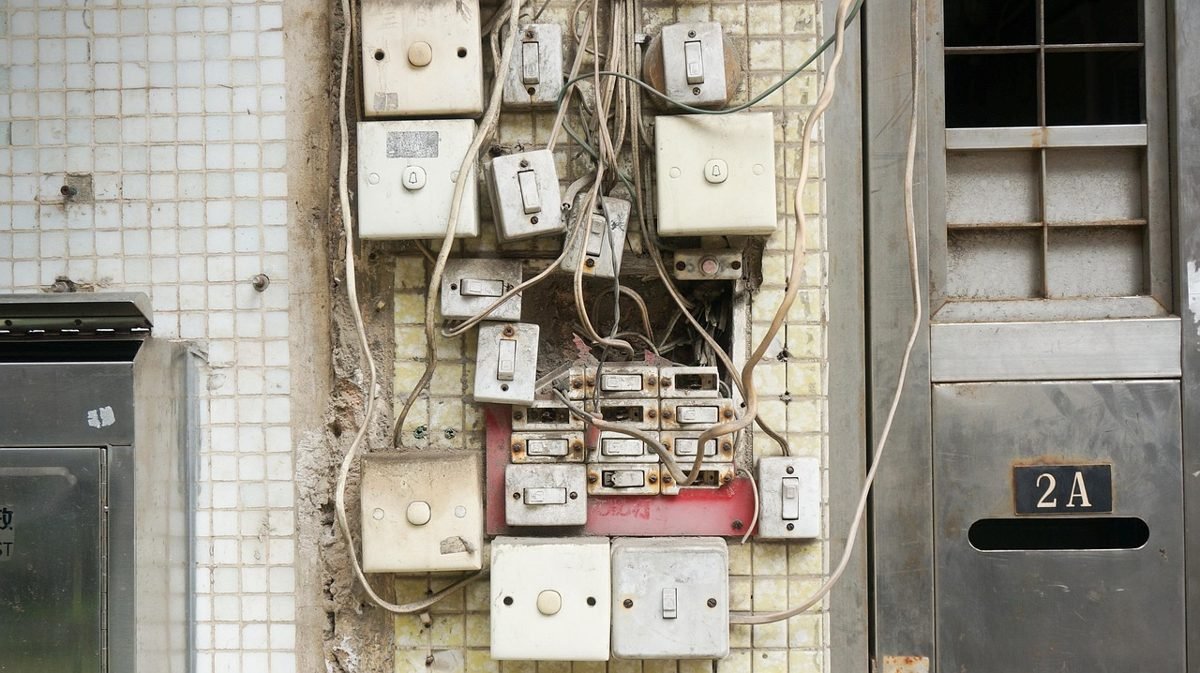
The inspector checks the main panel, wiring type, outlets, grounding and safety devices such as ground-fault protection. Outdated wiring and certain old panel brands can be safety risks and may be costly to replace.
Plumbing
Supply and drain lines, fixtures, water pressure, the water heater and visible leaks are tested. Certain older pipe materials, such as galvanized steel or polybutylene, may need replacing.
Heating and cooling
The furnace, heat pump or air conditioner is run and checked for age, performance and safety. Most systems last 15 to 25 years, so knowing the age tells you when to expect a big bill.
Attic, insulation and ventilation
Inspectors check insulation levels, ventilation and signs of moisture, pests or past leaks. Poor ventilation can shorten the life of a roof and invite mold.
Interior and appliances
Doors, windows, stairs, railings, fireplaces and included appliances are checked. The inspector tests whether each works, but does not evaluate cosmetic features like paint and carpet.
What a standard home inspection does not cover
Standard reports generally do not include areas that are hidden, inaccessible or require specialized tools. That includes inside walls, underground pipes, pest damage in hidden spaces, radon, mold testing, septic systems and swimming pools. Those usually require add-on inspections.
Specialty Inspections Worth Considering
A good home inspection tells you when to dig deeper. These optional services can be well worth the extra cost in the right situation.
Sewer scope
A small camera is fed through the main sewer line to check for cracks, roots and collapses. The test commonly costs about $100 to $400, and it can reveal a problem that costs thousands to repair. It is especially valuable in homes built before the 1980s or with mature trees.
Radon testing
Radon is a radioactive gas that can seep from the ground into a home. The Environmental Protection Agency recommends fixing homes with levels at or above 4 picocuries per liter, and you can read guidance on the EPA radon page. Testing usually costs under $200, and mitigation systems are common and effective.
Termite and wood-destroying insect inspection
This inspection checks for active infestation and past damage. It is often required by lenders in some regions. Treatment and repair costs vary widely depending on the extent of damage.
Mold, lead paint and asbestos
Mold testing makes sense if you smell mustiness or see stains. Lead paint matters in homes built before 1978, and asbestos can be present in older insulation and flooring. These materials are mostly a concern when disturbed during renovation. Ask your inspector what is appropriate for the home’s age.
Roof, chimney and structural specialists
If the general inspector flags concerns, a licensed roofer, chimney specialist or structural engineer can give a detailed opinion and a repair estimate. Their findings often carry more weight in negotiations.
Pool, septic and well
Homes with a septic tank, private well or pool deserve specialists. A failing septic system or contaminated well can be costly and affect your ability to get a loan.
How Much Does a Home Inspection Cost?
Prices vary by region, home size and age. As a rough guide, many buyers pay somewhere around $300 to $600 for a standard home inspection, with larger or older properties costing more. Add-ons such as radon, sewer scope or termite checks usually cost extra.
What affects the price
Square footage, age, number of systems, foundation type, travel distance and local demand all play a part. Be cautious about unusually cheap inspectors. A rushed inspection that misses a major defect costs far more than the $100 you saved.
Budget for the whole package
Plan for the main inspection, one or two specialty tests and a small reserve for follow-up evaluations. Together they typically add up to several hundred dollars, a tiny fraction of the purchase price. If you are building your savings plan, our guide on low down payment mortgage options shows how much cash to expect beyond the down payment.
The cost of not inspecting
Compare the fee with a single big repair. If the inspection finds a $15,000 roof problem you can negotiate, it paid for itself 30 times over. If it finds nothing, you bought peace of mind for a small price.
How to Choose a Home Inspector
All inspectors are not equal. Because the report guides a major decision, take a few minutes to choose well.
Check licensing and credentials
Many states require inspectors to be licensed. Ask about training, experience and membership in professional groups such as ASHI or InterNACHI. A longer track record, especially with homes like yours, is a plus.
Ask for a sample report
A good report is clear, organized and full of photos, with summaries that separate urgent items from minor ones. If the sample is vague, find another inspector.
Ask about insurance and time
Inspectors should carry errors and omissions insurance. Ask how long they spend on site and how quickly you will receive the report. Most deliver within 24 hours.
Attend the inspection
Go in person if you can. Seeing the problems yourself makes the report much easier to understand, and you can ask the inspector how to maintain each system. A good home inspection doubles as a lesson in how your future home works.
Read reviews with care
Look for reviews that mention thoroughness and communication, not just price. Beware of anyone who promises to “make the deal work,” since your inspector should be impartial.
Home Inspection Red Flags: Minor Issues vs Deal-Breakers
Almost every report lists dozens of items. Do not panic: even new homes have findings. The skill is to separate cosmetic items from serious problems.
Usually minor and cheap
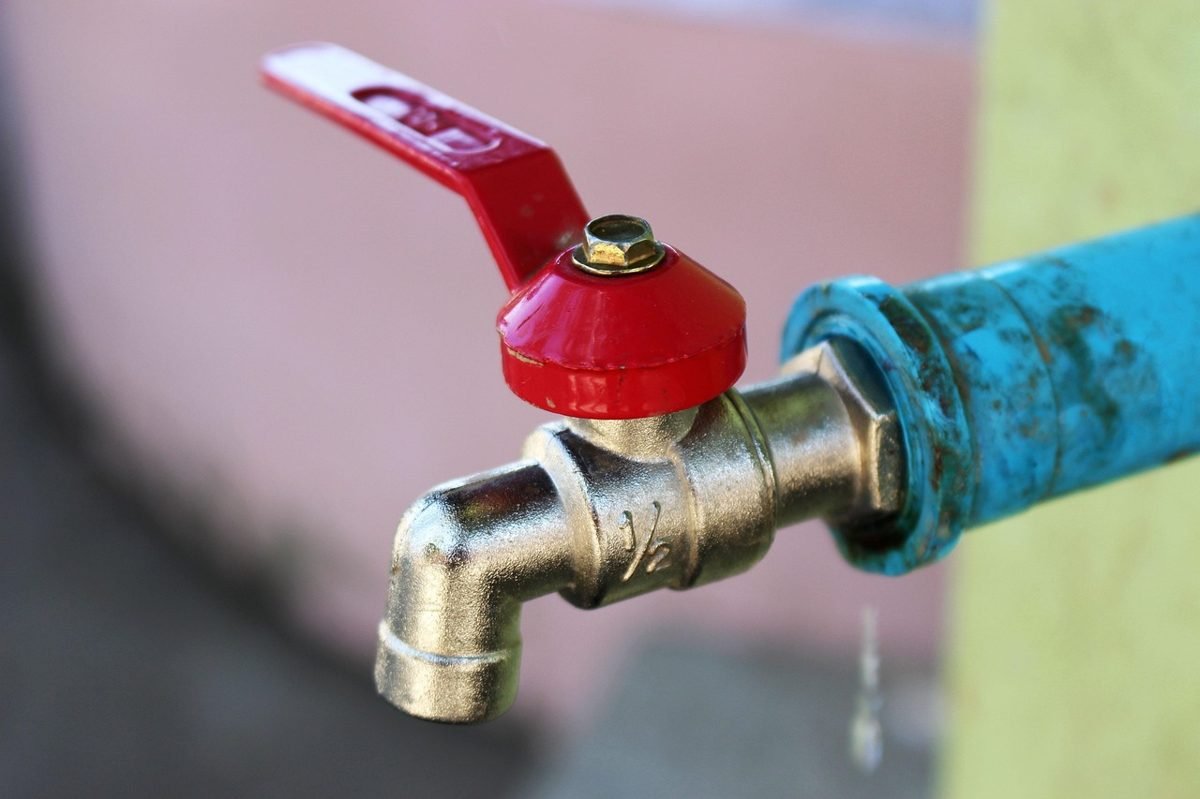
Loose handrails, missing caulk, a dripping faucet, a sticking door, cracked outlet covers and clogged gutters are routine. They are worth fixing, but they should not derail a purchase.
Moderate: negotiate or budget
An aging water heater, a roof near the end of its life, an older furnace, minor water stains with a fixed source and outdated but working electrical panels fall here. They can cost a few thousand dollars each, so ask for a credit or plan your budget.
Serious: stop and investigate
Widening foundation cracks, sagging floors or rooflines, active leaks and mold, major drainage problems, evidence of termite damage, unsafe wiring and problems with the main sewer line deserve a specialist’s opinion before you move ahead.
Deal-breakers for many buyers
Serious structural damage, unpermitted work that cannot be legalized, flood or fire damage that was not disclosed and environmental hazards can be good reasons to walk away. If the repair cost is unclear and the seller will not budge, the safest choice may be to exit and keep your earnest money.
Signs of hidden trouble
Fresh paint on only one patch of ceiling, a strong air freshener smell, a sump pump with water stains, patched cracks and doors that do not close can all hint at problems someone tried to hide. Mention them to your inspector.
How to Use the Home Inspection Report to Negotiate
The report is a tool. Used well, it can save you thousands of dollars or help you leave a bad deal unharmed.
Step 1: Read the summary and prioritize
Divide the findings into safety issues, major systems and minor repairs. Focus your requests on the first two groups. Asking for every tiny fix can irritate the seller and weaken your position.
Step 2: Get estimates
For larger items, request quotes from licensed contractors. A written estimate gives you a real number to ask for, instead of a guess.
Step 3: Choose what to request
You usually have four options. Ask the seller to repair the problem before closing, ask for a credit at closing, ask for a price reduction or, if the findings are too serious, cancel the contract under your contingency. Credits are often easier for sellers than repairs, and they let you choose your own contractor.
Step 4: Put it in writing
Your agent will submit a repair request or amendment with the supporting pages of the report. Keep the tone professional and the list focused.
Step 5: Be ready to compromise
Sellers may counter with a partial credit or fix only some items. Decide in advance which requests matter most and what you are willing to accept, so you can respond quickly inside the contingency window.
Step 6: Verify the repairs
If the seller agrees to repair, ask for receipts and permits and have the work rechecked during your final walk-through, before you sign the closing paperwork. Our home closing process guide explains the final steps.
The Home Inspection Timeline: From Offer to Closing
Knowing the schedule keeps you from missing deadlines. The exact days vary by contract, but this is a typical order.
| When | What happens |
|---|---|
| Day 1-2 after contract | Book your inspector and any specialists |
| Day 3-7 | Home inspection and add-on tests; report delivered |
| Day 7-10 | Review report, get estimates, send repair request |
| Day 10-14 | Negotiate, sign amendment or exit under contingency |
| Before closing | Appraisal, loan underwriting and final walk-through |
Do not wait on the lender
The inspection runs on its own track alongside the loan process. If you are still shopping for financing, learn how mortgage pre-approval works so your paperwork is ready.
The final walk-through
Within a day or two before closing, walk the property again. Confirm that agreed repairs were done, that nothing new was damaged and that included appliances remain. This is your last chance to raise problems before signing.
After the Home Inspection: Plan Your First-Year Maintenance
The report is also a roadmap for the years ahead. Use it to build a maintenance plan and a repair fund.
Turn the report into a to-do list
Sort items into three buckets: do now, do this year and monitor. Put dates on them. Tackling safety items and anything involving water first protects both your family and your investment.
Build a home repair fund
Plan to set aside 1 to 2 percent of the home’s value each year for repairs. On a $350,000 house, that is $3,500 to $7,000 annually, or about $290 to $580 a month. If you have no emergency fund, start with our guide to building a 3-month emergency fund.
Learn your home’s systems
Locate the main water shutoff, electrical panel and gas shutoff the day you move in. Change filters, test smoke and carbon monoxide detectors and clean gutters each season. A well-kept home costs less to repair.
Schedule periodic checkups
Annual HVAC service, a roof look every year or two and a quick basement or crawl-space check after heavy rain keep small problems from growing. Think of each as a mini home inspection you do yourself.
Home Inspection Tips for Different Kinds of Buyers
The best approach depends on your situation. These tips help you tailor the process.
First-time buyers
Attend the inspection, ask questions and take photos. If you are using a low-down-payment loan, you will have less cash cushion for surprise repairs, so the report matters even more. Read our list of first-time home buyer mistakes to avoid common traps.
Buyers of older homes
Expect more findings and consider extra inspections for sewer lines, electrical panels, lead paint and chimneys. Older homes can be wonderful, but you should budget for updates.
Buyers of new construction
New homes still benefit from a home inspection. Builders and subcontractors make mistakes, and an independent inspector may spot missing insulation, improper drainage or unfinished work before your warranty period begins. Consider an inspection before the final walk-through and again before the end of the builder’s warranty.
Condo and townhouse buyers
For condos, the inspector focuses on the unit itself, but you should also review the homeowners association’s financial statements, reserve fund and recent meeting minutes. A building with deferred maintenance can lead to special assessments.
Investors and house flippers
Investors should combine a home inspection with contractor estimates. Rental properties need careful attention to systems that cause tenant calls, such as plumbing and HVAC.
Should Sellers Get a Pre-Listing Home Inspection?
Buyers are not the only ones who benefit. A seller who orders an inspection before listing can fix problems on their own timeline, price the house accurately and reduce surprises that derail a sale. The trade-off is that you must disclose known issues, depending on state law, and the cost comes out of your pocket. Even so, many sellers find it improves trust with buyers and speeds up negotiation.
If you are a buyer facing a seller with a pre-listing report, still order your own. A report ordered by the seller is not a substitute for independent advice, and it may be outdated by the time you make an offer.
How a Home Inspection Fits Into Your Home-Buying Budget
A home inspection is one line in a longer list of costs. Seeing the whole picture keeps you from running out of cash right when you need it most.
Costs that arrive before closing
Besides the inspection fee, expect earnest money, appraisal fees, specialty tests, application and credit report fees and possibly an attorney. Add your down payment and closing costs, and the total can be a surprise if you have not planned. Our guide on how to save for a down payment on a house helps you build the right target.
Costs that arrive after closing
Moving, utility deposits, locks, basic tools and quick repairs from the home inspection report usually appear in the first month. Keep a cash buffer of at least $2,000 to $5,000 for these early expenses, on top of your emergency fund.
How the report affects your decision
If the report shows $8,000 of near-term work, treat it as part of the price. A house listed at $350,000 with $8,000 of needed repairs behaves like a $358,000 house. Compare that with similar homes before you decide the deal is still good. Use our guide to how much house you can afford to confirm the total still fits your budget.
Your Home Inspection Day Checklist
Preparation makes the day smoother and helps you get more from the visit. Use this list for your own home inspection.
Before the visit
Confirm the time with the inspector and the listing agent, and make sure utilities are on so every system can be tested. Ask the seller to provide access to the attic, crawl space, electrical panel and any locked areas. Gather paperwork such as past repair records, warranties and permits, if the seller has them.
What to bring
Bring a notebook, your phone for photos, a flashlight and a list of questions. Wear comfortable shoes, because you may walk a roof edge, a crawl space or a basement. A good home inspection involves a lot of looking around corners.
Questions to ask the inspector
Ask which items are urgent, which can wait and which are normal for a house of this age. Ask for a rough lifespan on the roof, water heater, furnace and air conditioner. Ask what maintenance you should do in the first year, and which findings concern the inspector most.
Check the outside first
Walk the yard with the inspector. Look for ground that slopes toward the house, large trees near the foundation, cracked driveways, standing water and rotting wood on decks or fences. Many expensive problems begin outside.
Test it yourself
While the inspector works, open and close windows and doors, run faucets, flush toilets and switch on lights. These simple checks sometimes reveal items that the home inspection report mentions only briefly, and they teach you how everything operates.
After the visit
Ask for the report within a day, read it end to end and mark every item that needs a decision. If something is unclear, call the inspector. Most will answer follow-up questions at no charge.
Three Home Inspection Scenarios and What Buyers Did
Stories help turn a checklist into judgment. These examples are illustrative and use rounded numbers.
Scenario 1: The roof near the end of its life
A couple under contract on a $340,000 home learned from the home inspection that the roof had about two years left. A roofer quoted $12,000 for replacement. They asked for a $9,000 credit at closing, the seller agreed to $7,000 and the buyers used the credit to start a roof fund. Nothing was a deal-breaker, but the report put real money back in their pocket.
Scenario 2: The hidden sewer problem
A buyer added a $250 sewer scope to the home inspection of an older house. The camera found root intrusion and a partial collapse, with a repair estimate of $9,500. The seller refused to negotiate enough, so the buyer walked away under the contingency and recovered the earnest money. The inspection fees were a bargain compared with the problem.
Scenario 3: The waived inspection
In a bidding war, a buyer waived the home inspection to win. After closing, the furnace failed and the basement leaked after a storm, costing nearly $14,000 in repairs that an inspection would have flagged or priced into negotiation. The buyer would have saved far more by asking for a short inspection window instead of skipping it altogether.
What these stories teach
The inspection is rarely a simple yes or no. It produces information that you can convert into money, time or a safer decision. Even when you buy the house anyway, you walk in knowing what to expect.
The 7 Costliest Problems a Home Inspection Can Reveal
If you remember only one list from this guide, make it this one. These seven problems account for much of the money buyers lose after closing, and a careful home inspection is how you catch them early.
1. Foundation movement
Large or growing cracks, doors that stick and sloping floors can mean repairs that start in the thousands and climb quickly.
2. A roof near the end of its life
Missing shingles, sagging areas and granule loss signal a coming replacement, often $8,000 to $20,000 depending on size and material.
3. Water intrusion and mold
Stains, musty smells and damp basements point to moisture. Find the source before you buy.
4. Outdated or unsafe electrical systems
Old panels, ungrounded outlets and amateur wiring are fire risks and can be expensive to correct.
5. Failing plumbing or sewer lines
Corroded supply pipes, slow drains and root-damaged sewer lines can cost thousands to replace.
6. End-of-life HVAC
A furnace or air conditioner past 15 to 20 years may fail soon, and replacement often costs $5,000 to $12,000.
7. Pest damage
Termites and other wood-destroying insects can cause hidden structural damage. A specialty inspection gives you a clear answer.
Common Home Inspection Mistakes to Avoid
These mistakes show up again and again. Avoid them and your inspection will do its job.
Not attending
The report is useful, but seeing a problem in person gives it context. Walking through with the inspector is one of the best home education sessions you can get.
Hiring the cheapest inspector
Price matters less than thoroughness. A cheap, fast inspection often misses things that cost more than the savings.
Asking for everything
Sellers expect reasonable requests. A 60-item list of cosmetic fixes weakens your credibility. Prioritize safety, structure and major systems.
Missing the contingency deadline
If the window closes, your right to renegotiate or exit may vanish. Mark every date from the contract in your calendar.
Ignoring the age of major systems
A working furnace that is 22 years old is a ticking cost. Ask for the age of every major system and plan for replacement.
Skipping specialists when advised
If the inspector recommends an engineer, a roofer or an electrician, take it seriously. A general home inspection is designed to point you to deeper evaluation when needed.
Frequently Asked Questions About Home Inspection
What does a home inspection include?
A standard home inspection covers the structure, roof, exterior, plumbing, electrical, heating and cooling, attic, insulation, interior and visible appliances. It does not usually cover hidden areas or specialized tests.
How long does a home inspection take?
Most take two to four hours, and larger or older homes can take longer. You should receive the written report within about 24 to 48 hours.
How much does a home inspection cost?
Many standard inspections cost roughly $300 to $600, depending on size, age and location. Add-on services cost extra.
Can a house fail a home inspection?
No. An inspection is not a pass-or-fail test. It describes condition and lets you decide what to do. Some lenders and programs do require repairs of certain issues before closing, but that is separate.
Should I be at the home inspection?
Yes, if you can. Attending lets you ask questions, see problems and learn how to maintain the house.
What if the inspection finds major problems?
You can ask the seller to repair, request a credit, negotiate the price or cancel under your inspection contingency. Get specialist estimates for serious findings before you decide.
Is a home inspection required to get a mortgage?
Lenders typically require an appraisal, not an inspection. Still, a home inspection is strongly recommended for every buyer, and some loan programs have their own property standards. The HUD home buying resources explain the difference.
Can I inspect a house myself?
You can do a basic walk-through, but a licensed home inspector has training, tools and experience to spot issues you would miss. Use your own look as a supplement, not a replacement.
Who pays for repairs found in a home inspection?
Whatever the contract says after negotiation. Sellers do not have to fix anything unless they agree, but buyers can walk away if the contingency allows it.
The Bottom Line on Your Home Inspection
A home inspection is the best few hundred dollars you will spend in the home-buying process. It protects you from costly surprises, gives you leverage to negotiate and teaches you how your future home works. Hire a qualified inspector, attend the visit, read the report carefully and use it to decide whether to buy, renegotiate or walk away.
Before you shop, run your numbers with our mortgage payment calculator and compare costs in our guide to renting versus buying. This article is general information and not legal or professional advice. Practices and prices vary by state, so confirm details with a licensed inspector and your real estate professional.
Keep reading

Cash Out Refinance: 7 Smart, Essential Facts to Know
Cash out refinance explained: how it works, LTV limits for conventional, FHA and VA loans, closing costs, taxes, and a worked $450,000 example.
Read the guide →
Private Mortgage Insurance: 8 Smart, Proven Money Facts
Private mortgage insurance explained: see what it costs on a $400,000 home, how long you pay, and proven ways to cancel it or avoid it entirely.
Read the guide →
Fixed vs Adjustable Rate Mortgage: 5 Smart, Proven Steps
Fixed vs adjustable rate mortgage explained with real math on a $300,000 loan. Learn the caps, the break-even point and a 5-step way to choose.
Read the guide →Keep going: see the full Home Buying Roadmap: From Saving to Closing Day for every guide on Home Buying in a suggested order.