

Car insurance is one of those expenses most people set up once and never revisit. That is a mistake for both your wallet and your protection. If you have ever wondered how much car insurance do you need, the honest answer is that it depends on your assets, your car, your state, and your risk tolerance, and the legal minimum is almost never enough.
This guide answers how much car insurance do you need in seven steps. You will learn what each type of coverage does, what your state requires, why minimum limits can leave you exposed to a lawsuit, when you can safely drop optional coverage, and how to set deductibles that match your savings. Every section uses plain language and simple examples.
Insurance rules and prices vary by state and company, so treat this as a framework rather than a quote. Your agent or insurer can confirm the exact options available where you live.
Table of Contents
Why the question of how much car insurance do you need matters
A serious accident can cost far more than most people expect. Medical bills for a single injury can reach six figures, and a lawsuit after a crash can reach even higher. If your coverage is too low, the other party can pursue your savings, your future wages, and in some cases your home. If your coverage is too high or wrongly structured, you pay premiums for protection you will never use.
That is why asking how much car insurance do you need is really a balancing exercise. You want enough liability coverage to protect your assets, the right physical-damage coverage for the value of your car, and deductibles you can afford to pay. You also want to avoid the common trap of buying the cheapest policy that meets the legal minimum, which is how many drivers end up underinsured.
Insurance is one piece of a larger safety net. The guide on insurance mistakes that cost you money covers the broader errors, and this article focuses on auto coverage specifically.
The main types of car insurance coverage
Before deciding how much car insurance do you need, you must know what each coverage does. A standard policy combines several parts.
| Coverage | What it pays for | Usually required? |
|---|---|---|
| Bodily injury liability | Injuries you cause to other people, plus legal defense | Required in nearly every state |
| Property damage liability | Damage you cause to other people’s vehicles and property | Required in nearly every state |
| Collision | Repairs to your car after an accident, regardless of fault | Required by lenders and lessors |
| Comprehensive | Theft, fire, hail, flooding, animals, and falling objects | Required by lenders and lessors |
| Uninsured and underinsured motorist | Your injuries, and sometimes damage, when the at-fault driver has no or too little insurance | Required in some states |
| Medical payments or PIP | Medical costs for you and passengers regardless of fault | PIP required in no-fault states |
Liability coverage protects other people. Collision and comprehensive protect your own car. Uninsured motorist and medical coverage protect you and your passengers. Understanding that split makes it much easier to decide how much car insurance do you need in each category.
How to read liability limits like 100/300/100
Liability limits are written as three numbers. The first is the maximum your insurer pays for injuries to one person. The second is the maximum for all injuries in one accident. The third is the maximum for property damage. A limit of 100/300/100 means up to $100,000 per injured person, $300,000 per accident, and $100,000 for property damage.
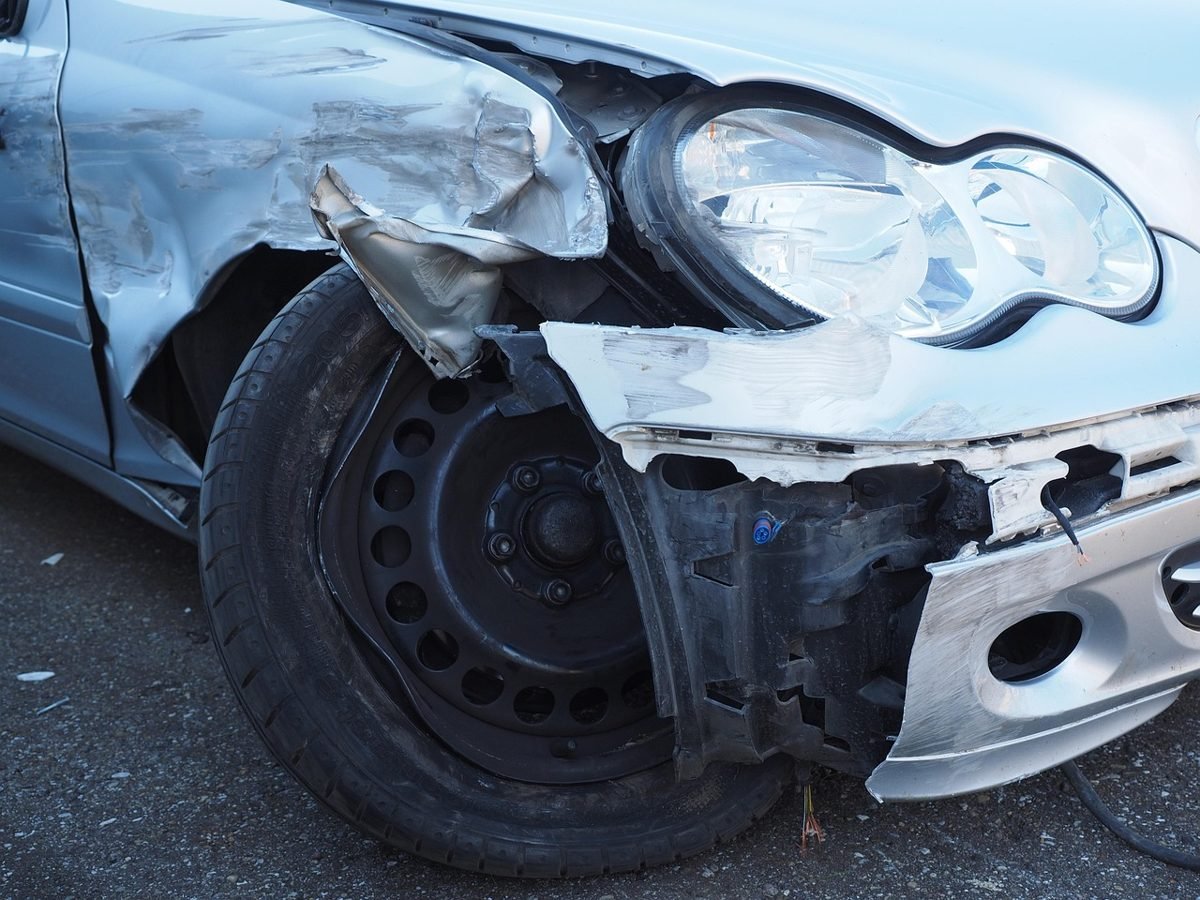
Imagine you cause a crash that injures two people and totals a newer SUV. If your limits are 25/50/25, your insurance stops paying at $25,000 per person, $50,000 total, and $25,000 for the vehicle. A modern SUV can cost far more than $25,000, and serious injuries can easily exceed $25,000 per person. You would be responsible for everything above those caps. With 100/300/100, you have four times the cushion on each number.
The key insight for anyone asking how much car insurance do you need is that liability is the coverage where underinsuring does the most damage. Physical-damage coverage on your own car can be adjusted as the car ages. Liability, by contrast, protects your financial future, and the cost of raising limits is usually modest compared with the risk.
Step 1: Know your state’s minimum, then treat it as a floor
Nearly every state requires drivers to carry liability insurance, and each sets its own minimums. A few examples show how much the numbers vary: many states use limits near 25/50/25, some set lower numbers, and a few have raised them recently. Some states follow a no-fault system that also requires personal injury protection. New Hampshire has historically relied on financial-responsibility rules rather than a strict insurance mandate, though most drivers there still carry coverage.
Look up your state’s current requirement through your state’s department of insurance or the National Association of Insurance Commissioners at naic.org. Then treat that number as a floor, not a target. State minimums were set to give accident victims some recovery, not to protect your assets. A minimum that looks adequate on paper can be exhausted by a single moderate accident.
Driving without required coverage can bring fines, license suspension, and higher future premiums, and it leaves you personally liable for every dollar of damage. The right answer to how much car insurance do you need is almost always more than the minimum.
Step 2: Match liability limits to your assets
A practical rule used by many financial planners is to carry liability limits at least equal to your net worth, including savings, home equity, and investments, plus a margin for future income. If you own a home, have retirement accounts, or earn a good salary, you have more to lose than someone with few assets, and a bigger target on your back after an accident.

Here is a simple guide to how much car insurance do you need on the liability side, based on your situation. These are general ranges, not guarantees, and your insurer may offer different options.
| Your situation | Reasonable liability starting point |
|---|---|
| Few assets, renting, no savings | At least 50/100/50, ideally 100/300/100 |
| Some savings, steady income | 100/300/100 |
| Homeowner with equity and investments | 250/500/100 plus an umbrella policy |
| High net worth or high income | 250/500/100 plus a $1 million or larger umbrella |
The cost of moving from state minimum limits to 100/300/100 is often surprisingly small, sometimes only $10 to $30 a month depending on your profile and location. For the protection it provides, that is one of the best values in personal finance. If your assets exceed the limits you can buy on the auto policy, add an umbrella policy, which sits on top of your auto and home coverage. See umbrella insurance explained for details on when it makes sense.
Step 3: Add uninsured and underinsured motorist coverage
This step is one that many people skip when they ask how much car insurance do you need. Many drivers are uninsured or carry only minimal limits. Estimates of the share of uninsured drivers vary by year and state, but a meaningful minority of drivers on the road has no coverage at all, and many more are underinsured. If one of them hits you and injures your family, their policy may not cover your medical bills, and you could face large costs even though you did nothing wrong.
Uninsured and underinsured motorist coverage, often written as UM and UIM, steps in when the at-fault driver cannot pay. It typically pays for your injuries and, in some states, damage to your car. Because it protects you and your passengers, it is one of the most valuable parts of any policy. When deciding how much car insurance do you need, set UM and UIM limits equal to your own liability limits if you can afford to.
Some states require this coverage, while others let you decline it in writing. Think carefully before declining. The premium is usually small compared with the potential cost of being hit by an uninsured driver with serious injuries. Combined with good health insurance, it helps ensure that one accident does not turn into a financial emergency.
Step 4: Decide on collision and comprehensive
This is the part of how much car insurance do you need that you can adjust over time. Collision and comprehensive coverage pay to fix or replace your own car. If you have a loan or lease, your lender will require both. If you own the car outright, the decision is yours, and it depends on the car’s value and your savings.

A common rule of thumb says to consider dropping collision and comprehensive when the annual premium for these coverages is more than about 10 percent of the car’s market value, or when the car is worth less than you could comfortably replace out of savings. For example, if a ten-year-old car is worth $3,500 and the combined coverages cost $700 a year, you are paying 20 percent of the value each year. After the deductible, a total loss would pay out well under $3,500. In that case, the money may be better saved in an emergency fund.
Keep the coverage if you could not afford to replace the car yourself, if you depend on it for work, or if you live in an area with frequent hail, flooding, or theft. Asking how much car insurance do you need for physical damage is mainly a question about what you could afford to lose. The guide on how to lower your car insurance by $500 a year shows how to trim cost without cutting essential protection.
Step 5: Choose deductibles you can actually pay
Deductibles are another piece of how much car insurance do you need. A deductible is what you pay out of pocket before insurance pays for a covered collision or comprehensive claim. Higher deductibles lower your premium, but they also raise the amount you must have available after a loss. The right deductible is the highest amount you could pay from savings without borrowing.
| Deductible | Premium effect | Good fit for |
|---|---|---|
| $250 | Higher premium | Drivers with little emergency savings |
| $500 | Moderate premium | Most drivers with some savings |
| $1,000 | Lower premium | Drivers with a funded emergency fund |
| $2,000 | Lowest premium | Drivers with strong savings and a low-risk record |
Moving from a $500 to a $1,000 deductible can reduce collision and comprehensive premiums noticeably, though the amount varies. Put the savings into an account earmarked for the deductible. If you do not yet have a cash cushion, how to build a 3-month emergency fund from scratch shows how to build one. Setting the deductible is a key part of answering how much car insurance do you need, because a deductible you cannot pay makes your coverage useless in practice.
Step 6: Consider medical, gap, and other add-ons
Beyond the core coverages, insurers sell optional protections. Whether they belong in your answer to how much car insurance do you need depends on your health insurance, your car loan, and your daily driving.
- Medical payments or personal injury protection: pays medical costs for you and your passengers regardless of fault. It can help cover deductibles on your health plan and is required in no-fault states.
- Gap coverage: pays the difference between what you owe on a loan or lease and the car’s value if it is totaled. It is useful for new cars with small down payments and long loans.
- Rental reimbursement: pays for a rental car while yours is being repaired after a covered claim, usually at low cost.
- Roadside assistance: covers towing and lockouts, though you may already have it through a membership or credit card.
- Rideshare coverage: fills gaps when you drive for a delivery or rideshare platform, since personal policies often exclude commercial use.
Read the limits and exclusions before paying for any add-on. Some duplicate benefits you already have. Others are inexpensive protections against expensive problems. Ask your agent which ones would be useful for your situation, then compare the cost with the risk. The more clearly you define how much car insurance do you need, the easier it is to say yes or no to each extra.
Step 7: Shop around and review every year
No answer to how much car insurance do you need stays correct forever, so shopping matters. Insurance prices differ widely among companies for the same driver, and the cheapest company last year may not be the cheapest this year. Get quotes from at least three insurers, using identical coverage limits, so the comparison is fair. Include a mix of large national companies, smaller regional insurers, and an independent agent who can quote several companies at once.
Review your policy every year and after major life changes: buying a car, moving, getting married, adding a teen driver, changing jobs, or paying off a loan. These events can change both how much car insurance do you need and how much you should pay. Ask about discounts, which may include multi-policy bundles, good-driver records, safety devices, low mileage, and good-student discounts for young drivers.
Do not choose a company on price alone. Check financial strength ratings, read customer reviews about claims handling, and confirm that the policy limits match what you decided in the earlier steps. The cheapest premium is no bargain if the insurer fights every claim or the limits leave you exposed.
How much car insurance do you need? Three examples
Examples make the idea easier to apply. These are simplified and use rough numbers.
Example 1: The young renter with an older car
Jess is 24, rents an apartment, owns a 2012 sedan worth about $5,000, and has $2,000 in savings. How much car insurance do you need in her case? Liability of 100/300/100 protects her future income. She keeps collision and comprehensive for now, with a $500 deductible, since a $5,000 car is hard to replace. She adds uninsured motorist coverage equal to her liability limits. She plans to drop collision once the car’s value falls and her savings grow.
Example 2: The homeowner with a family
Raj and Mei own a home with $150,000 in equity, have two cars, and have a teen who just got a license. They carry 250/500/100 liability on both cars, UM and UIM at the same limits, and a $1 million umbrella policy. They raise collision deductibles to $1,000 because they have an emergency fund. Their answer to how much car insurance do you need is higher than a single driver’s because they have far more to protect.
Example 3: The retiree with a paid-off car
Walt is 68, owns a ten-year-old car outright, and drives about 4,000 miles a year. He keeps 100/300/100 liability and UM coverage, increases his deductible, and asks his insurer for low-mileage and mature-driver discounts. He decides whether to keep collision by comparing the premium with the car’s value each year. For Walt, the question of how much car insurance do you need leans toward strong liability and lean physical-damage coverage.
Mistakes people make when deciding how much car insurance do you need
- Buying only the state minimum and assuming it is enough.
- Skipping uninsured motorist coverage to save a few dollars a month.
- Choosing a deductible you could not pay after a loss.
- Keeping collision on a car worth less than the cost of coverage.
- Never shopping around, which can mean overpaying for years.
- Forgetting to update the policy after moving, buying a new car, or adding a driver.
- Lying about mileage, address, or drivers, which can lead to denied claims.
- Failing to coordinate with an umbrella policy when assets are high.
Avoiding these mistakes is more important than finding a perfect number. Even if you are not sure exactly how much car insurance do you need, moving from minimum to moderate limits and adding UM coverage eliminates the biggest gaps.
How much car insurance do you need: quick checklist
| Question | Answer to aim for |
|---|---|
| Liability limits | At least 100/300/100, higher if you have significant assets |
| Uninsured and underinsured motorist | Equal to your liability limits |
| Collision and comprehensive | Keep if you could not replace the car; drop when the premium exceeds roughly 10 percent of its value |
| Deductible | The highest amount you can pay from savings |
| Medical payments or PIP | Required in some states; consider it when your health plan has a high deductible |
| Umbrella policy | Consider when assets exceed your liability limits |
| Shopping around | At least once a year |
How much car insurance do you need with a teen driver?
Adding a teenager is one of the biggest jumps in auto insurance cost, and it also raises your risk. Young drivers are statistically more likely to be in accidents, so parents should think carefully about how much car insurance do you need before a teen starts driving. Keep strong liability limits, ideally 100/300/100 or higher, and consider an umbrella policy if you have meaningful assets.
There are ways to keep the cost manageable. Ask about good-student discounts, driver-training discounts, and telematics programs that reward safe driving. Assign the teen to the oldest, least expensive car in the household if your insurer allows it, and raise deductibles if you have enough savings. Comparing several quotes before the teen is added can save hundreds of dollars a year.
Talk with your teen about the financial stakes. A single at-fault accident can raise premiums for years, and a serious accident could affect the whole family. Setting clear driving rules and reviewing your policy together turns insurance into a teaching tool, not just a bill.
How much car insurance do you need for a new or leased car?
New and leased cars come with extra requirements. Lenders and leasing companies require collision and comprehensive coverage, often with a maximum deductible, and they may specify minimum liability limits. If you put little money down, gap coverage becomes important, because a new car can lose value faster than you pay down the loan.
Think about repair costs as well. Newer vehicles have sensors, cameras, and advanced electronics, which can make even minor collisions expensive to repair. That raises the importance of carrying collision and choosing a deductible you can pay. When you ask how much car insurance do you need for a new car, plan for higher premiums than you pay for an older vehicle, and shop quotes before you sign the purchase agreement so there are no surprises.
For help with the financing side, you can also read how to get a car loan, which explains how loan terms interact with insurance requirements and total cost.
No-fault states and how much car insurance do you need there
In no-fault states, your own insurer pays for your medical expenses after an accident, regardless of who caused it, up to your personal injury protection limit. This system is meant to speed up payment and reduce lawsuits. If you live in one of these states, you will usually be required to carry PIP, and you may be able to choose among several limits.
That does not remove the need for liability coverage. Serious injuries and property damage can still lead to claims against you, and many no-fault states allow lawsuits when injuries are severe. Review your options for PIP, liability, and uninsured motorist coverage with an agent who knows your state’s rules. The answer to how much car insurance do you need in a no-fault state generally includes PIP at a level that fits your health insurance, plus strong liability limits.
How health insurance and savings change how much car insurance do you need
Your other protections affect your auto choices. If you have excellent health insurance with a low deductible, you may need less medical payments coverage on your auto policy. If you have a high-deductible plan, extra medical coverage can help cover out-of-pocket costs. Learn the basics in how to choose a health insurance plan before deciding.
Your savings also matter. A strong emergency fund lets you carry higher deductibles and perhaps drop optional coverage on an older car. A thin cushion argues for lower deductibles and more complete coverage. As your savings grow, revisit your policy and decide whether to shift risk from the insurer to yourself in sensible ways. This review keeps your answer to how much car insurance do you need current as your finances change.
Finally, coordinate with renters or homeowners coverage. Your auto liability and your home policy often work together with an umbrella policy. If you rent, consider whether renters insurance is worth it as part of a complete protection plan.
What to do after an accident
Good coverage only helps if you use it correctly. If you are in an accident, first check for injuries and call emergency services if needed. Move to a safe place if you can, exchange information with the other driver, and take photos of the vehicles, the scene, and any visible damage. Do not admit fault, and be careful about what you say at the scene.
Report the accident to your insurer promptly, even if you think it is minor. Delays can complicate a claim. File a police report when required, and keep records of medical visits, repair estimates, and conversations with adjusters. If the other driver is uninsured or underinsured, tell your insurer so they can activate your UM or UIM coverage. Knowing the steps in advance helps you use the coverage you chose when deciding how much car insurance do you need.
Expect your premium to change after an at-fault claim. Some insurers offer accident forgiveness, which prevents a first at-fault accident from raising your rate. If you are shopping for a policy, ask whether it is available and what conditions apply.
Myths about how much car insurance do you need
- “Red cars cost more to insure.” Color does not affect your premium. Insurers look at the make, model, year, safety features, repair costs, and your driving record.
- “Full coverage means everything is covered.” The term is not a formal policy type. It usually means liability plus collision and comprehensive, but it may not include UM coverage, rental reimbursement, or gap protection.
- “My insurance follows my friend’s car.” Insurance usually follows the car, so a friend’s policy is typically primary when you borrow their vehicle, though rules vary.
- “If someone else is at fault, I do not need coverage.” Without UM or collision coverage, you may wait months for the other driver’s insurer, or never be paid if they are uninsured.
- “The minimum is what experts recommend.” Most experts advise carrying far more than the legal minimum, because the minimum only meets a legal requirement.
Replacing these myths with facts leads to better decisions. Once you understand what each coverage does, the question of how much car insurance do you need becomes a practical exercise instead of a guess.
A yearly review plan to keep your answer current
Your ideal coverage changes over time. A 15-minute review each year, ideally a month before renewal, keeps it on track. First, read your declarations page, which lists your coverages, limits, deductibles, and discounts. Second, check whether your car’s value, your mileage, or your driving situation has changed. Third, compare your liability limits with your current net worth. Fourth, ask your insurer or agent about new discounts and whether your deductible still matches your savings.
Fifth, get at least two additional quotes using the same limits. If a competitor is significantly cheaper, ask your current insurer whether they can match it, then decide whether switching is worth the effort. Sixth, update your records so that your policy reflects the correct address, drivers, and use of each vehicle. Small inaccuracies can lead to claim problems later.
Write the date of your review on your calendar. People who do this consistently tend to pay less over time and to avoid gaps in protection. If you want a broader checklist for your finances, how much life insurance do you need offers a similar framework for another essential coverage, and together they form the backbone of a solid protection plan.
When you review your coverage each year, repeat the central question: how much car insurance do you need today, given your car, your savings, and your assets? The answer may shift as your life changes, and that is normal. A policy that fit you at 25, renting an apartment with an old car, may not fit you at 40, with a home, a family, and two vehicles. Treat the policy as a living document and adjust it when your circumstances change.
To sum up the practical rules, here is how much car insurance do you need in one paragraph: carry liability of at least 100/300/100, match UM and UIM to it, keep physical-damage coverage only when you could not replace the car, pick a deductible your savings can cover, and compare quotes every year. That simple framework answers how much car insurance do you need for most households.
If you remember only one thing, remember that the right answer to how much car insurance do you need protects what you own and what you will earn. Review the question each year, and you will stay protected as your life changes. Many drivers also write down their limits and keep a copy in the glove box or on their phone, so they can answer how much car insurance do you need quickly if an agent, lender, or claims adjuster asks.
Frequently asked questions about how much car insurance do you need
Is state minimum car insurance enough?
Usually not. State minimums are often low enough that a single moderate accident can exceed them, leaving you personally responsible for the rest. Most financial advisors suggest at least 100/300/100 liability limits.
How much liability coverage should I have?
Aim for limits at least equal to your net worth, and consider an umbrella policy if your assets exceed the limits available on your auto policy.
Should I keep collision on an old car?
Keep it if you could not afford to replace the car. Consider dropping it when the annual premium is more than about 10 percent of the car’s value.
Do I need uninsured motorist coverage?
It is strongly recommended. It protects you if an at-fault driver has no insurance or too little, and it usually costs relatively little.
What deductible should I choose?
Choose the highest deductible you could pay from savings without borrowing. For many drivers that is between $500 and $1,000.
How often should I shop for car insurance?
At least once a year and after major life changes, such as moving, buying a car, or adding a driver.
Final thoughts on how much car insurance do you need
How much car insurance do you need? Start with liability limits of at least 100/300/100, add uninsured and underinsured motorist coverage, keep collision and comprehensive only when they make financial sense, and choose a deductible you can pay. Then shop around every year and review your policy after major life changes.
The best answer to how much car insurance do you need is the one that protects your assets without wasting money on coverage you will never use. Take thirty minutes this week to read your policy, compare quotes, and close any gaps. That small effort can protect your finances for years.
Disclaimer: This article is for informational purposes only and does not constitute insurance, legal, or financial advice. Coverage options, requirements, and prices vary by state and insurer.
Related reading: Do You Need Umbrella Insurance? 7 Steps to Decide · Do You Need Disability Insurance? 7 Facts Most People Miss
Keep reading

Buy Now Pay Later: 7 Smart, Essential Facts to Know
Buy now pay later explained: pay-in-4 vs interest loans, fees, credit impact, CFPB findings, a worked example and a 10-question self-check.
Read the guide →
CD Ladder: 5 Smart, Proven Steps to Build One
A cd ladder spreads savings across CDs that mature in turn. See a worked $25,000 example, rate scenarios, taxes and a checklist before you build one.
Read the guide →
Savings Account vs Checking Account: 7 Smart, Easy Tips
Savings account vs checking account: see the real differences, fees, FDIC safety, and how to split a $4,200 paycheck with a simple worksheet.
Read the guide →Keep going: see the full Personal Finance Basics: Your Complete Guide to Money for every guide on Personal Finance in a suggested order.